New country. New opportunities.
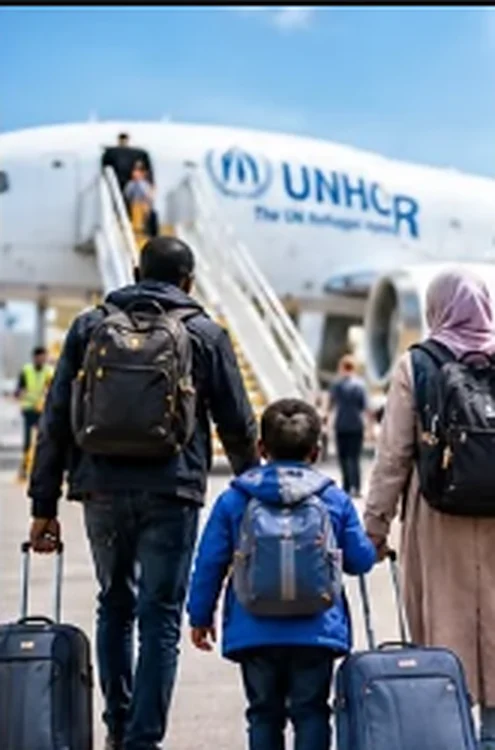
A brighter future begins the day a family boards the plane.
From crisis to safety. From displacement to opportunity.
Durable solutions include resettlement to safer countries, alongside voluntary return and local integration.
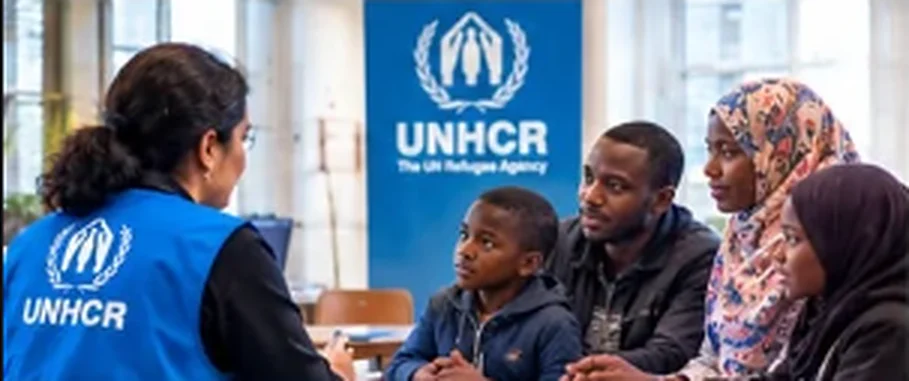
Resettlement is for refugees whose lives, safety or health are still at risk where they are. UNHCR identifies who is most in need and refers them to countries that have agreed to admit them.
Six stages take a refugee from registration to a new home. Timelines vary from months to years.
With UNHCR or a partner organization.
For resettlement to a host country.
Including document verification, eligibility and security checks.
By the resettlement country.
Travel preparations and orientation.
Housing, healthcare, education, employment and community integration.
Resettlement changes lives.
UNHCR works with countries like Canada, Australia, Sweden, Germany and the United Kingdom to offer refugees a chance for a new life.
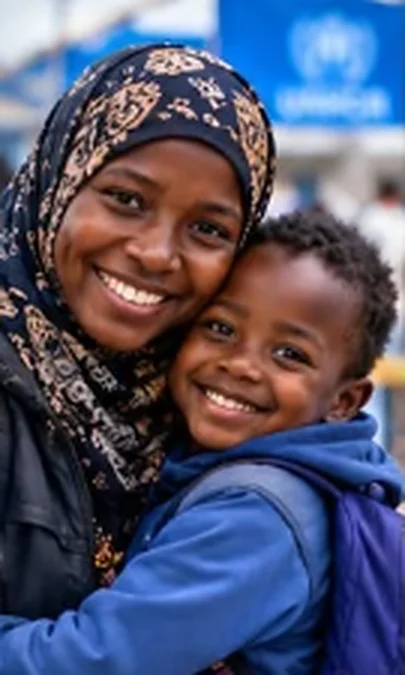
Resettlement is a chance to rebuild lives, reunite families and create a future in safety.
A brighter future begins the day a family boards the plane.
It’s a chance to rebuild lives, reunite families and create a future in safety.
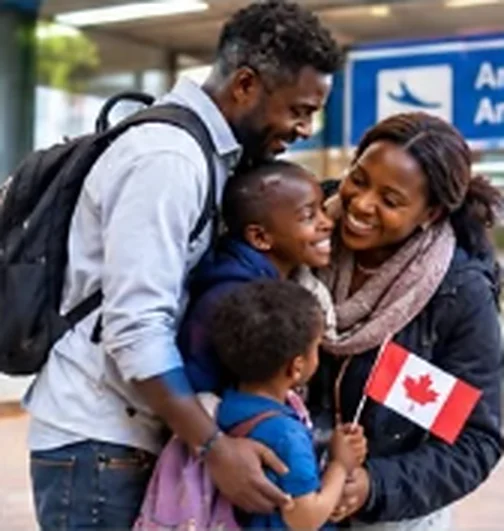
Many families are welcomed together, or find their way back to each other.
Refugees are not just survivors, they are future contributors.

Hope has no borders
Every year, refugees who cannot return home or stay safely where they are begin again in a new country.
Start with the basics, then find the route that fits your situation.
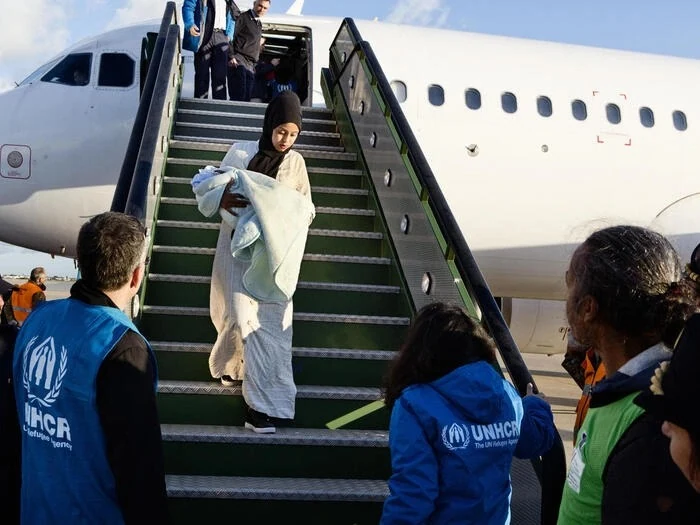
What it is, who may be considered, how the process works and answers to common questions.
Learn more →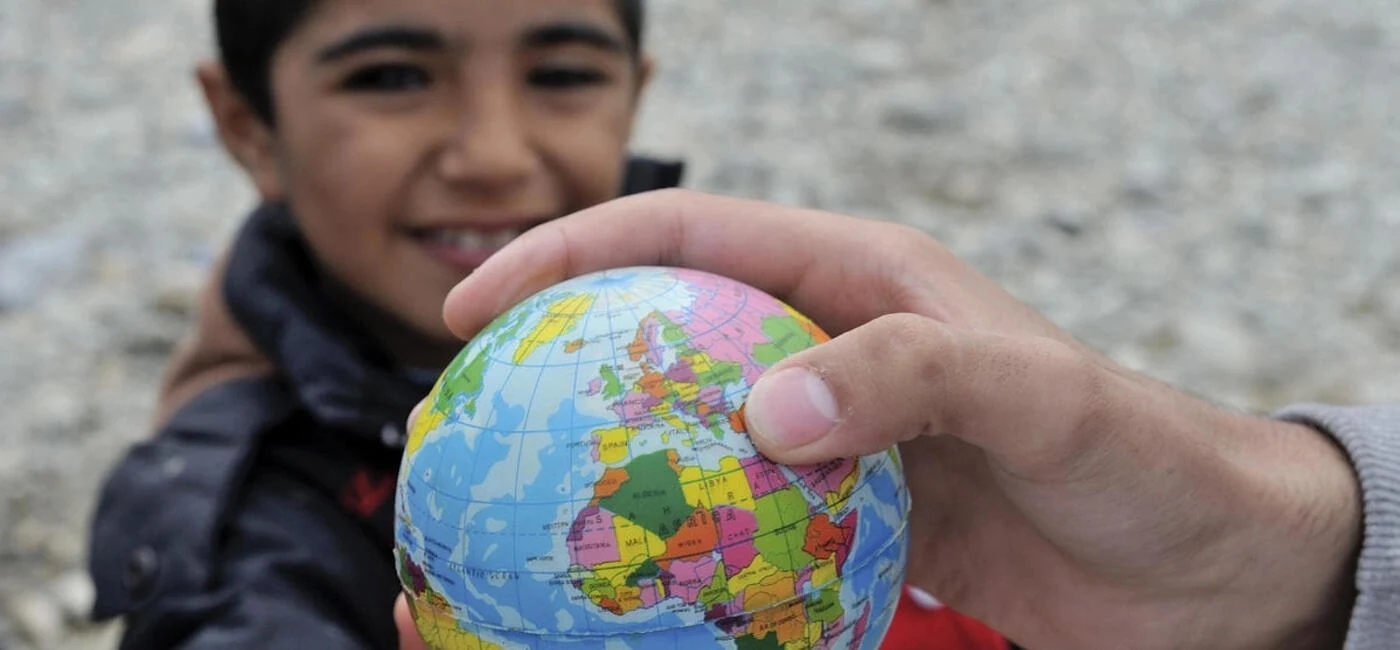
How resettlement works in Canada, Australia, Sweden, Germany and the United Kingdom.
See countries →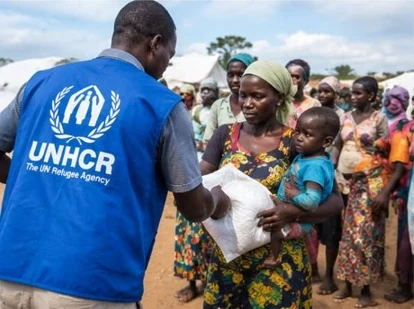
Family reunification, humanitarian pathways, education and employment routes.
View pathways →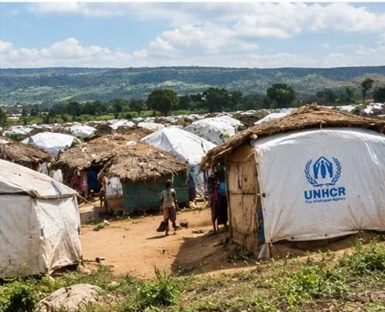
Housing, healthcare, education, employment support and community integration.
Find out more →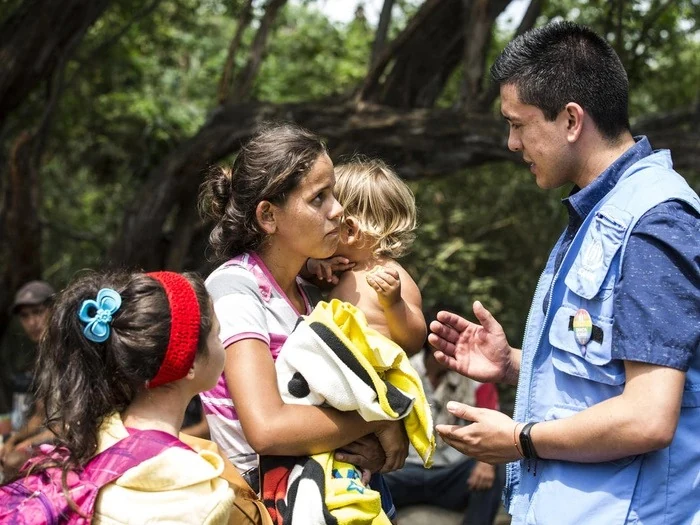
The rights every refugee has under international law, wherever they are.
Know your rights →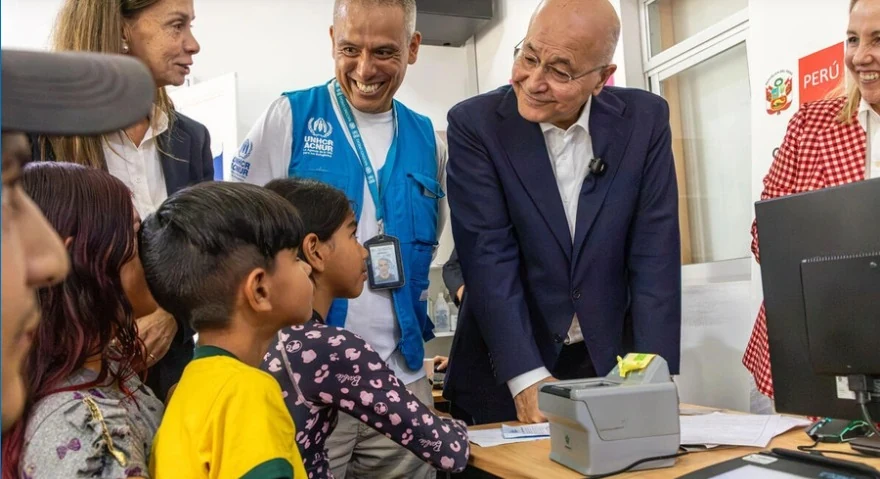
Short answers to the most common questions about resettlement and pathways.
Read the FAQ →